Company News
Restoring Vandalized LED Displays: The ONLY LED Professional Guide to Safe Paint and Graffiti Removal (2026 Update)
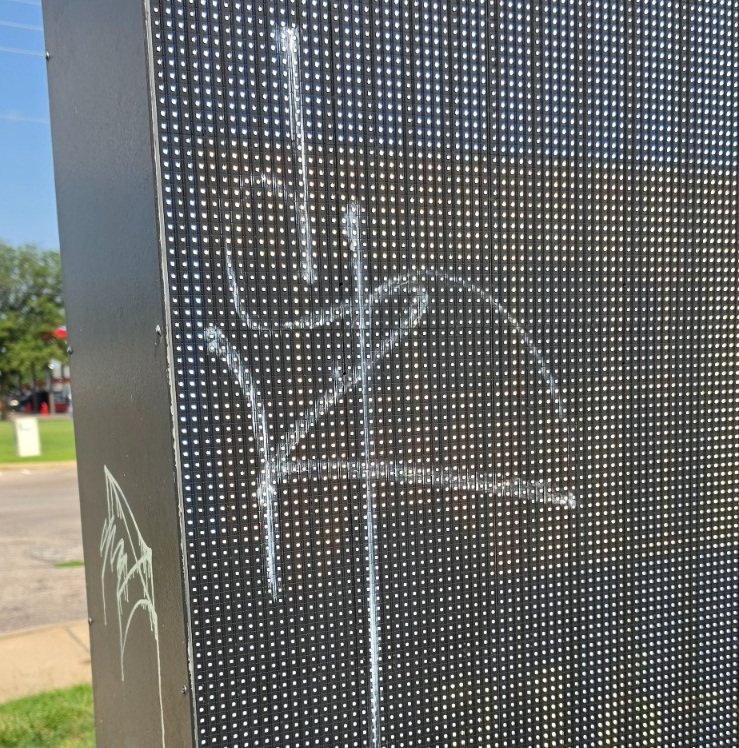
Shenzhen, China – 2026 – As outdoor digital signage continues to grow in popularity across commercial, educational, and municipal sectors, an unfortunate side effect has emerged: vandalism. Paint graffiti and malicious markings on LED display surfaces can severely degrade visual quality and brand image.
At ONLY LED, we understand that a damaged display is a costly problem. However, improper cleaning attempts often cause more permanent damage than the graffiti itself. This comprehensive guide outlines the ONLY LED approved protocol for safely restoring vandalized LED screens without compromising the delicate internal components or the protective mask.
The Critical First Step: Assess Before You Act
Before applying any cleaning solution, you must evaluate the extent of the damage. Follow this simple decision matrix:
- Power on the display (if safe to do so) and observe the affected area.
- Check the LED beads (pixels): Are they still lighting up correctly? Is the display performance affected?
- If the display is NOT affected: The paint is only on the surface. The safest and most effective long-term solution is to replace the front mask of the affected modules. This guarantees zero risk to the electronics.
- If you must clean it (or replacement is delayed): Proceed with the ONLY LED Safe-Clean Protocol below.
The ONLY LED Safe-Clean Protocol
If cleaning is necessary, strict adherence to the right materials and techniques is mandatory to prevent irreversible damage to the LED mask.
1. The Approved Materials
- Primary Solvent: Isopropyl Alcohol (IPA), 70% to 95% concentration.
- Tools: Lint-free microfiber cloths, soft-bristle brush, and standard cotton swabs.
- Safety Gear: Nitrile gloves and safety glasses.
2. The Strict "Do Not Use" List
Using the wrong chemicals will melt, haze, or crack the plastic LED mask. NEVER use:
- PCB cleaner / Thinner (洗板水)
- Regular industrial alcohol (contains corrosive additives)
- Acetone, nail polish remover, or paint thinner
- Gasoline, kerosene, or ammonia-based glass cleaners
- Abrasive pads, steel wool, or razor blades
3. The 4-Step Cleaning Technique
Step 1: Power Down and PrepAlways turn off the LED display and allow it to cool completely. Cleaning a hot screen causes the solvent to evaporate too quickly, leaving streaks and increasing the risk of chemical reaction with the warm plastic.
Step 2: The "Dwell and Wipe" MethodDo not spray liquid directly onto the screen, as it can seep into the module and cause short circuits.
- Lightly dampen a microfiber cloth with Isopropyl Alcohol. It should be moist, not dripping wet.
- Gently press the cloth over the graffiti and let it sit (dwell) for exactly 1 minute. This softens the paint bonds without aggressive scrubbing.
- Wipe the area gently in one single direction. Do not scrub back and forth, as this can grind paint particles into the micro-texture of the mask.
Step 3: Precision Gap CleaningFor paint trapped between the individual LED beads, dip a cotton swab lightly in Isopropyl Alcohol. Carefully "dab" or spot-clean the缝隙 (gaps). Do not apply lateral pressure that could snap the delicate LED legs.
Step 4: Residue RemovalOnce the paint is removed, wipe the area with a clean microfiber cloth dampened with distilled water to remove any alcohol residue. Allow the screen to air-dry completely before restoring power.
When to Call in the Professionals (or Replace Parts)
Sometimes, DIY cleaning is not the right answer. You should opt for component replacement if:
- The paint has been baked onto the screen by the sun for an extended period.
- The LED mask shows signs of hazing, cracking, or warping after a spot test.
- The cleaning process has been attempted twice with no success.
- Note: ONLY LED offers rapid-shipping replacement masks and full modules to minimize your downtime.
Proactive Protection: Preventing Future Vandalism
The best removal method is prevention. Consider these upgrades for high-risk locations:
- Anti-Graffiti Coatings: Apply a sacrificial, clear nano-coating designed for polycarbonate surfaces. This prevents paint from bonding to the mask, allowing for easy wipe-offs.
- Physical Barriers: Install clear polycarbonate shield panels or wire mesh guards in front of the display.
- Strategic Mounting: Mount displays at least 8–10 feet off the ground whenever architectural design permits.
Frequently Asked Questions (FAQ)
Q: Can I use regular rubbing alcohol to clean my LED sign?A: It is not recommended. "Rubbing alcohol" often contains water, fragrances, or other additives that can leave residues or damage the screen. Always use pure Isopropyl Alcohol (IPA) 70% or higher.
Q: Will pressure washing remove graffiti from an outdoor LED display?A: No. While outdoor LED cabinets are IP65/IP66 rated for rain, high-pressure water jets can force water past the gaskets, damage the LED beads, and will not effectively remove cured paint.
Q: How do I know if the paint damaged the LED mask permanently?A: Perform a spot test in an inconspicuous corner. If the plastic turns white, hazy, or sticky after applying IPA for one minute, the mask's chemical integrity is compromised, and the mask or module should be replaced.
About ONLY LED
ONLY LED is a premier global manufacturer of high-performance indoor and outdoor LED display solutions. With a focus on durability, energy efficiency, and superior after-sales support, we provide businesses and organizations with reliable digital signage that stands the test of time.
Need replacement masks or modules? Contact our support team today for a fast, hassle-free quote to restore your display to pristine condition.